Powered by Inclusive Adoption and Consistent Use of Digital and Agricultural Innovations with Farmers at Scale
Read More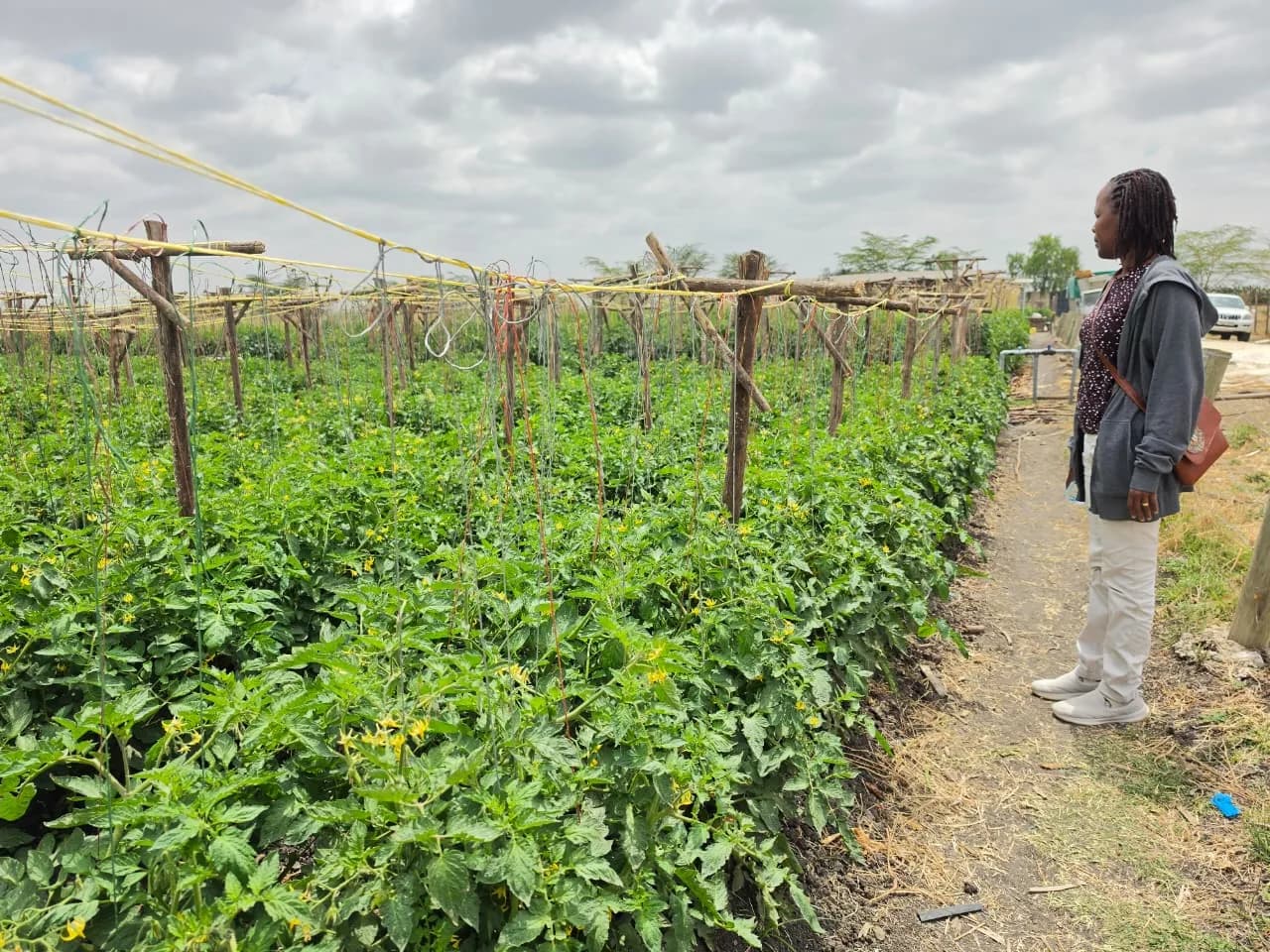
The needs of each partner/stakeholder are unique, each project presents a different context; we love the challenges this diversity brings. At Kilimo Hakika we believe that building a clear understanding of your operational environment and goals is fundamental to developing the right solution for your organisation.
Kilimo Hakika is an organization dedicated to promoting validated farming practices and established out of a passion for sustainable agriculture, with the aim to enhance community well-being and environmental health.
Learn more about us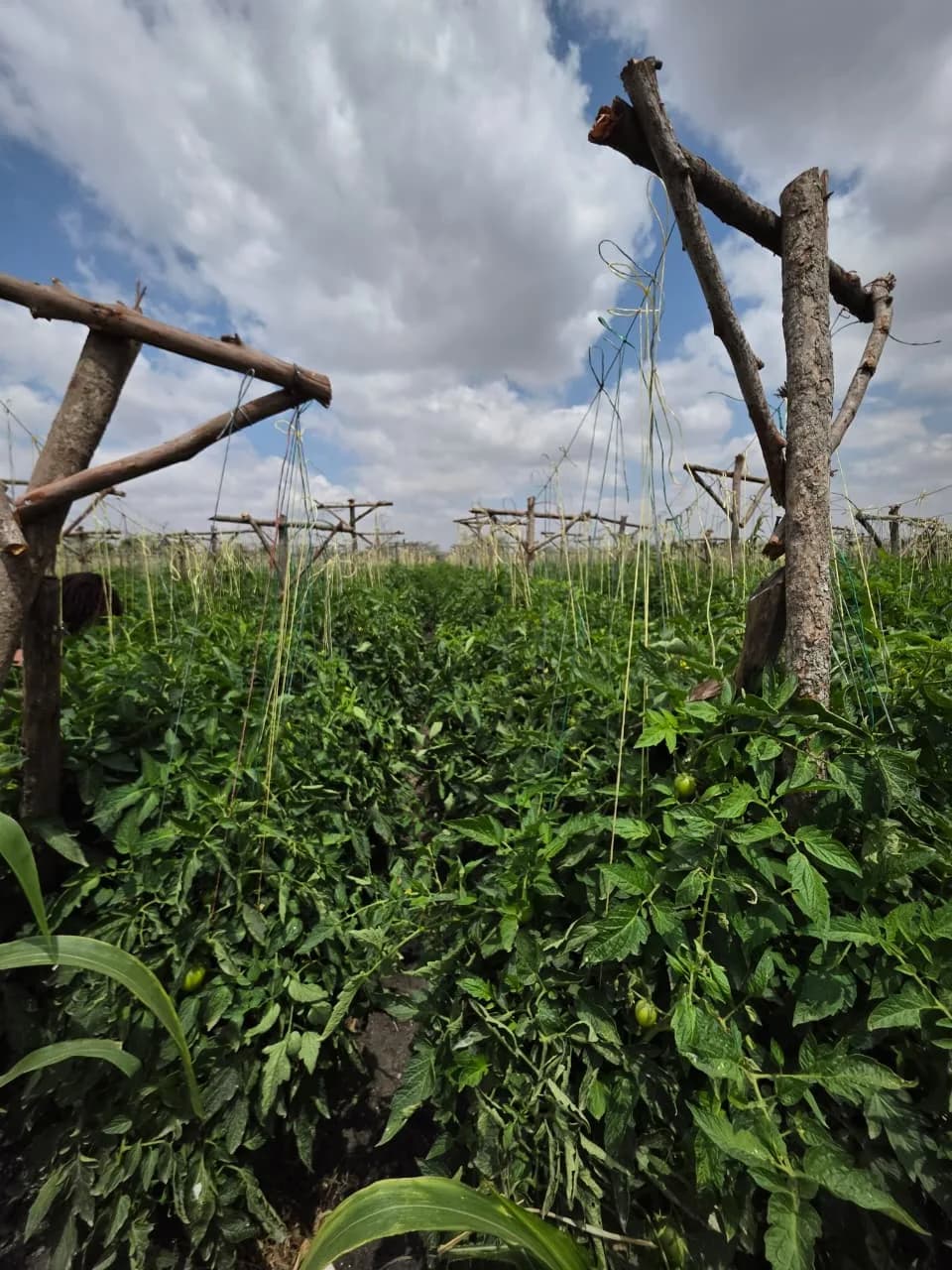
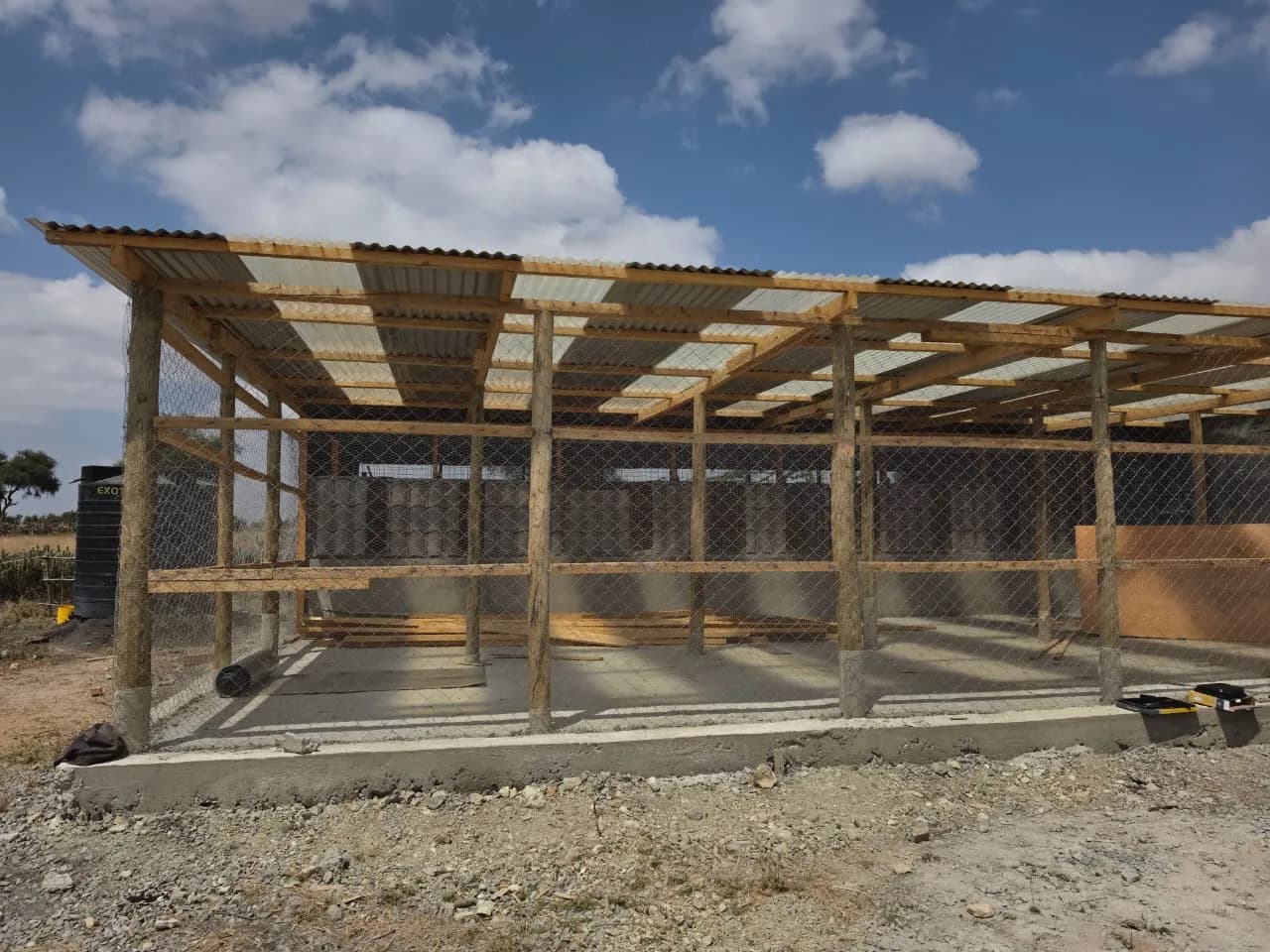
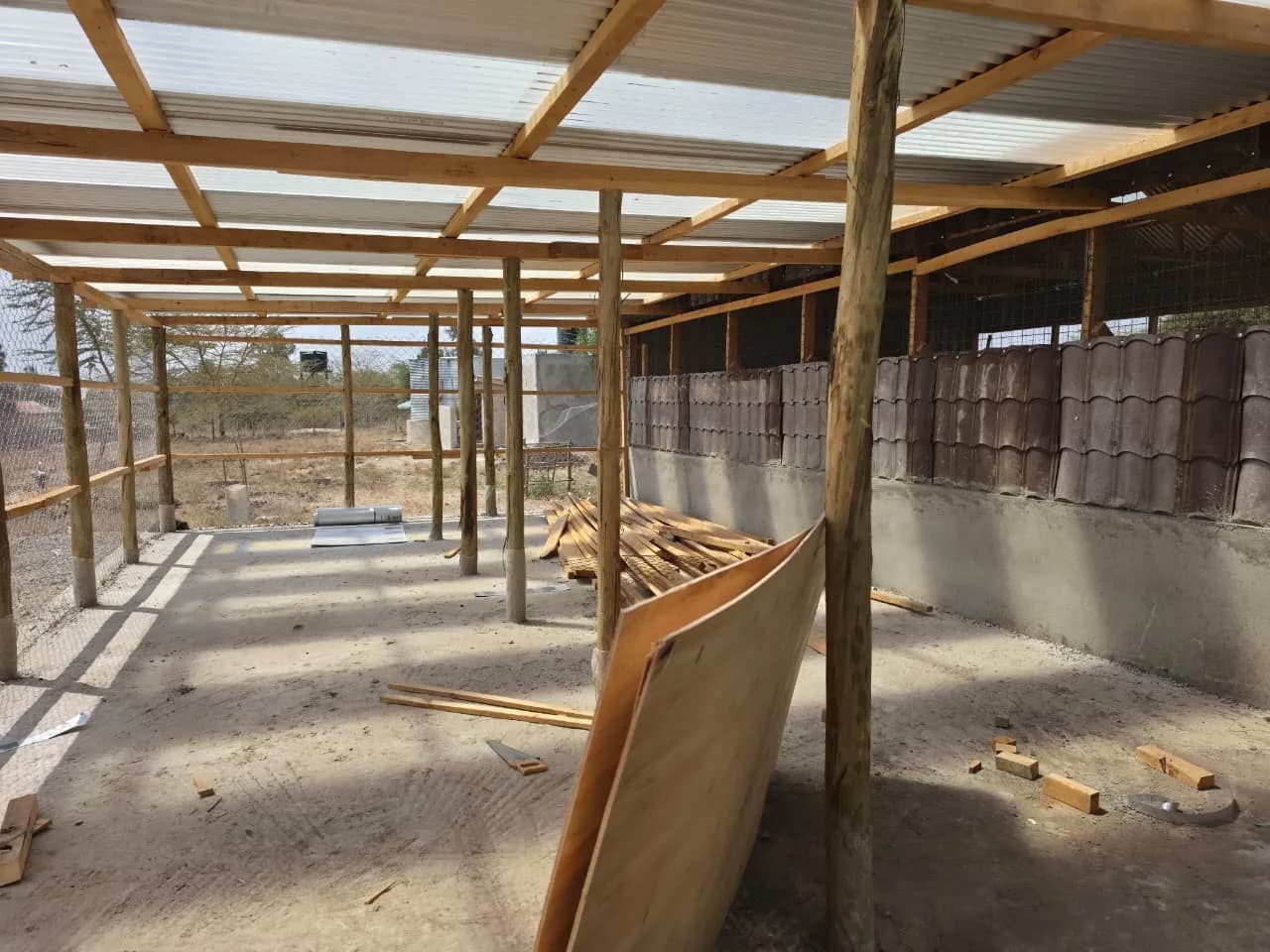
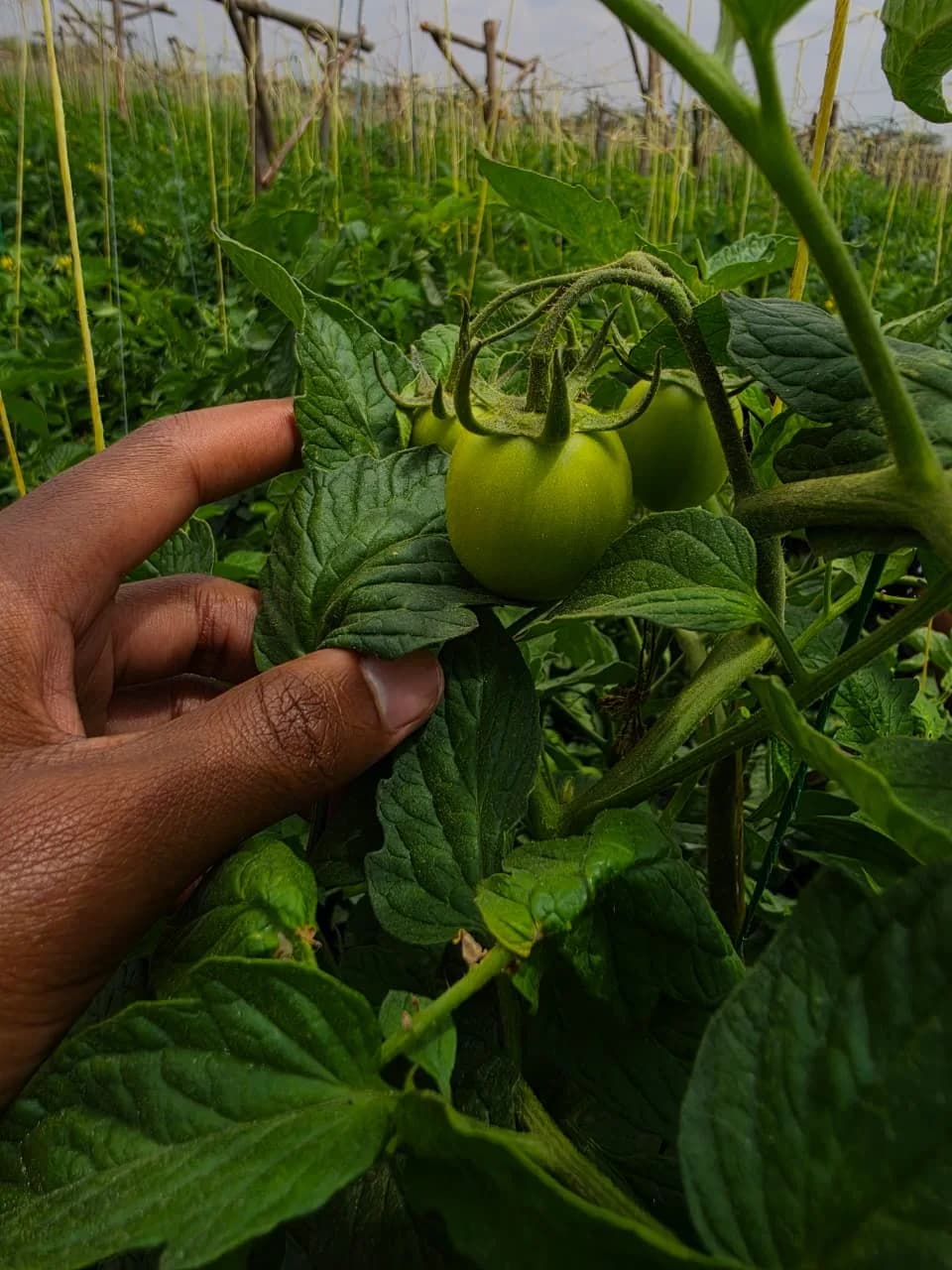
Kilimo Hakika employs and demonstrates sustainable farming techniques with embedded technologies to address current and emerging challenges.
Explore our servicesAs part of our commitment to continuous improvement, we are exploring innovative technologies to enhance efficiency, reduce environmental impact, and expand our product offerings.
Emergent agricultural technologies are often promoted under short term programs and projects, making adoption unsustainable. Disadoption of farming and digital technologies in smallholder agriculture is influenced by factors such as lack of continuous technical support, high ongoing costs, and incompatibility with existing farming practices. Additionally, perceived ineffectiveness, complexity and usability issues, socio-cultural influences, and unreliable infrastructure contribute to the abandonment of these technologies.
When farmers encounter difficulties without adequate assistance or see no tangible benefits, they are likely to revert to traditional methods. Technologies that require significant changes or are too complex for farmers with low digital literacy also face higher rates of disadoption.
The effects of disadoption are significant, leading to reduced efficiency and productivity, wasted investments, and diminished trust in new innovations. This cycle of adoption and abandonment can stall agricultural development and leave smallholders more vulnerable to climate change and market fluctuations due to the lack of modern adaptive tools. To mitigate disadoption, continuous support and training, affordability measures, adaptation to local contexts, robust infrastructure, and community engagement are essential. Addressing these issues can ensure sustained use of digital tools, enhancing smallholder agricultural development and resilience.
Featured In The Press
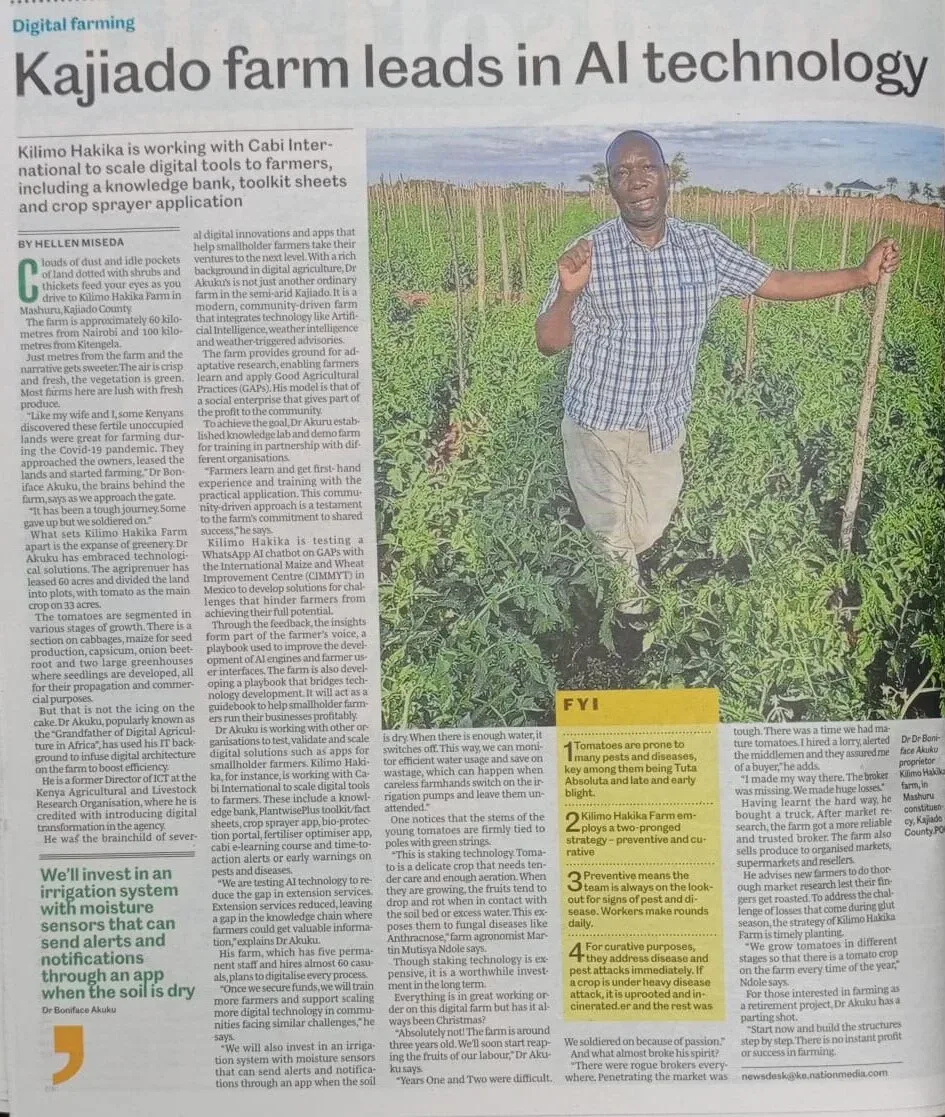
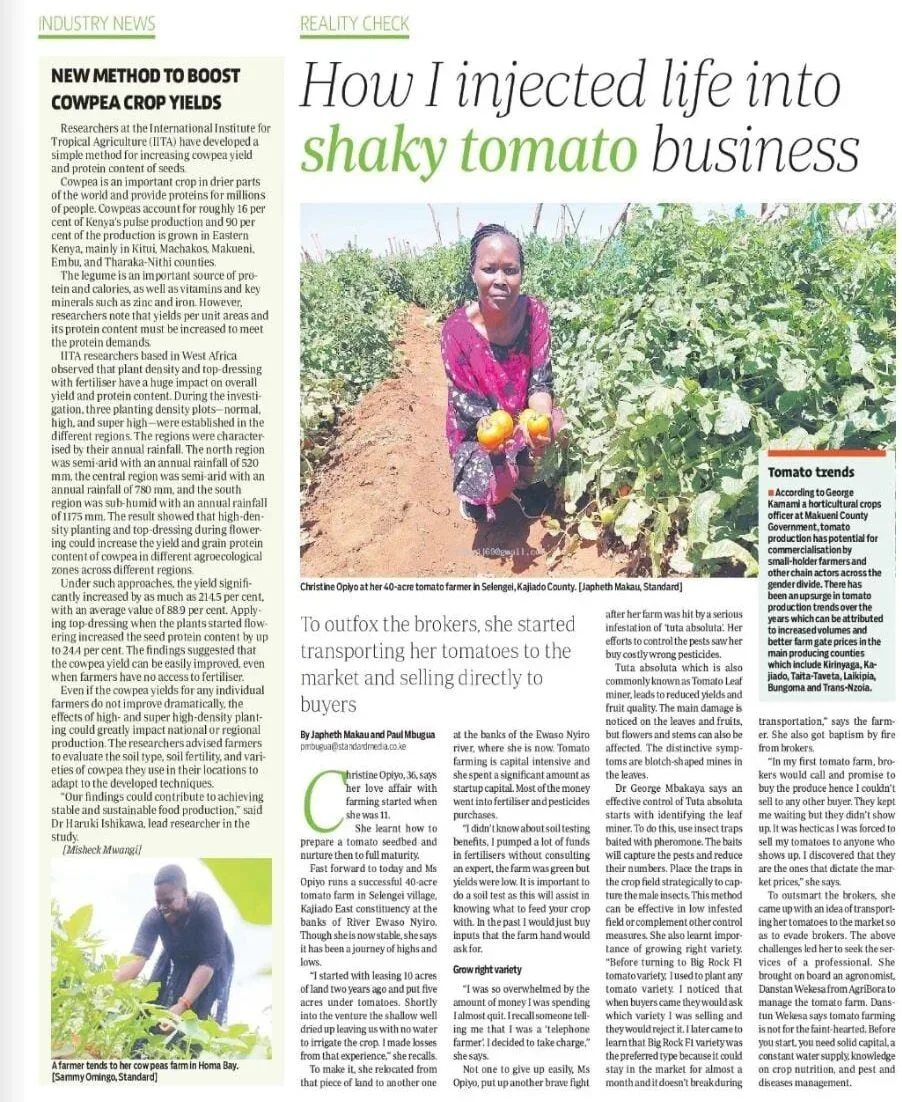
Tap either page to read the full article
Agriculture is a critical sector for food security, economic development, and poverty alleviation. However, smallholder farmers, who constitute a significant portion of the agricultural workforce, often face challenges such as limited access to modern technologies, financial resources, and market information. To address these challenges and enhance productivity, it is essential to promote the inclusive adoption of digital and agricultural innovations accommodating all gender, youth and underserved communities.


If you would like to get in contact about a project, please reach out via the form. We will get back to you as soon as we can usually within a day or so.


